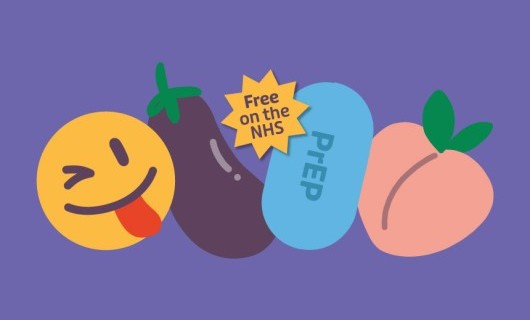
PrEP My Way
Creating a fun, sex-positive, feel-good campaign to educate residents in the South West of England about HIV and access to PrEP.
More +

Advice on Increasing PrEP Uptake Among High-Risk Populations

Norfolk County Council (NCC) commissioned us to conduct research and develop actionable advice to help their Public Health team reach residents at the highest risk of acquiring HIV. This research will help NCC to design and deliver a targeted PrEP awareness campaign aimed at increasing uptake among those most in need.

Understanding and Reaching High-Risk Groups for PrEP
Our mission was to identify the size and distribution of people in Norfolk at high-risk of HIV who are not yet accessing Pre-Exposure Prophylaxis (PrEP), a medication that significantly reduces the risk of contracting HIV. This included understanding where they live, work and socialise and understand their barriers and motivations when accessing sexual health services and PrEP. By exploring their behaviours and perspectives, we could better understand their preferences around future messaging, content design and dissemination of a future awareness campaign aiming to increase PrEP uptake.
Applying Behavioural Science to Drive Change
We conducted a behavioural science review to collate existing data on sexual health services, HIV prevalence, and PrEP usage in Norfolk. A targeted survey was launched to understand what interventions and messages would motivate sustainable behaviour change. We gathered demographic data and conducted a segmentation analysis, which means grouping respondents by shared behaviours and attitudes, to better understand key audience groups and emerging trends.

Uncovering Barriers and Motivations
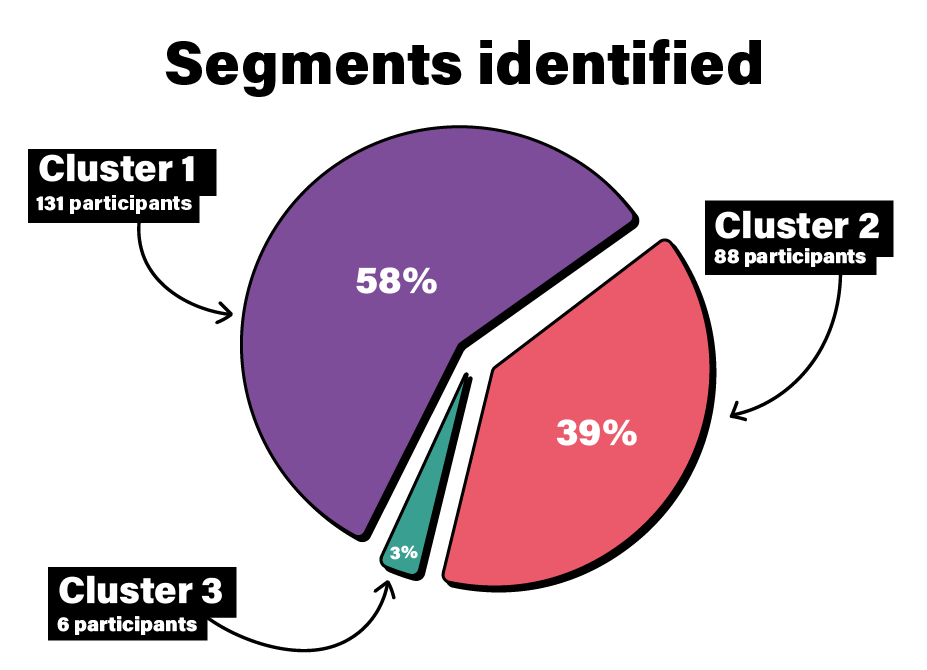
The survey had total of 225 responses and the segmentation analysis revealed three segments: those unaware but open to PrEP, those who do not perceive a need for sexual health services or PrEP, and those with strong awareness and willingness to use PrEP. We found low awareness of PrEP and sexual health services, but high willingness to consider PrEP with the right information. Trust in NHS sources was high, but most information came from less trusted channels. Notably, many did not consistently use condoms, with psychological barriers, such as trust in partners, reduced perceived risk, or concerns about pleasure, proving more influential than practical issues like cost or availability.
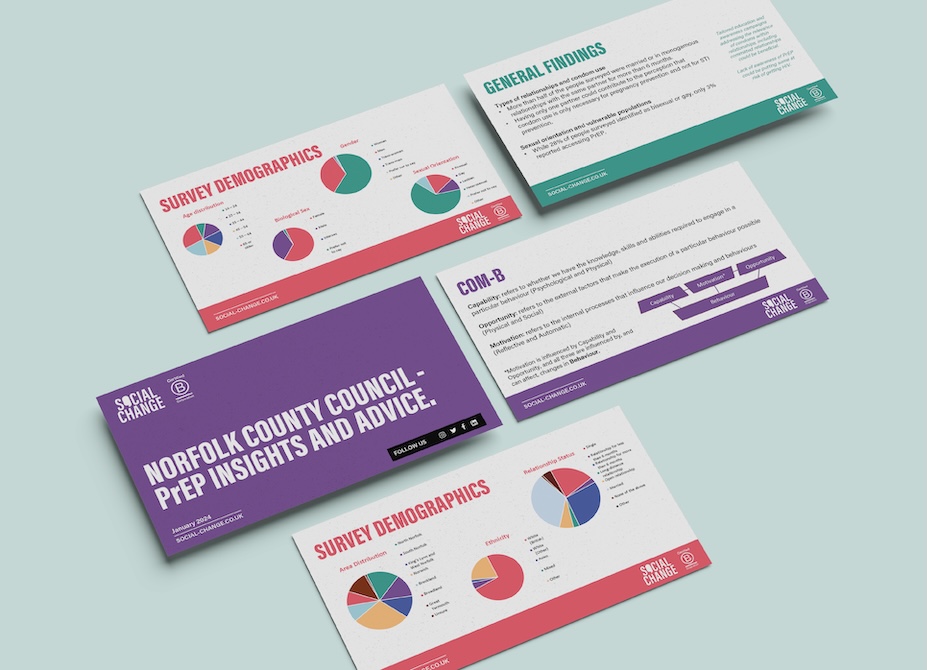
Our research findings identified the most effective messaging strategies and priority target groups for PrEP awareness.
By applying behavioural frameworks like MINDSPACE, EAST and COM-B, we provided NCC with actionable recommendations. These included increasing education with reassuring, destigmatising messaging, improving access to accurate information, and encouraging open conversations through trusted sources such as the NHS and local clinics. This approach will help normalise sexual health discussions and motivate greater uptake of PrEP.
"Very personable team with requests about the project responded to in a timely way. I thought the customer service was excellent."
Mark McNally, UK Health security Agency
"The whole team were top class. Kelly and Daisy shine out, Daisy with her endless enthusiasm and professionalism, but Kelly for her incredible knowledge of the sector, campaigns, what good looks like and application of the sector. Such a total joy to work with. Felt very confident in Kelly and Daisy's hands.
The project was a success, and highlights were inviting Social Change to support our stakeholder engagement and them attending a regional conference."
Torbay Council Colleague
Creating a fun, sex-positive, feel-good campaign to educate residents in the South West of England about HIV and access to PrEP.
More +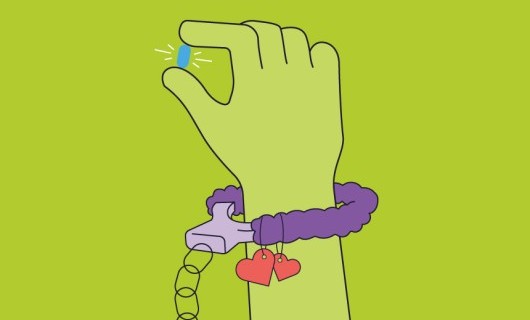
Created a cause marketing campaign to de-mystify what PrEP is – a pill you take everyday to help protect you from HIV - how those eligible can access it, and how it can help protect them from HIV.
More +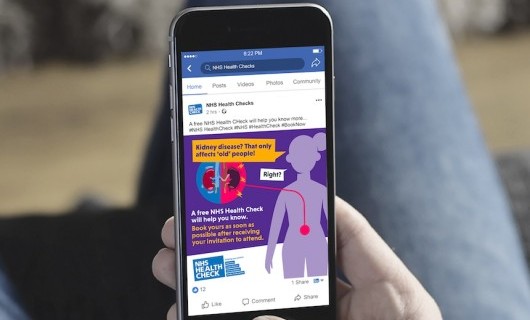
East Sussex County Council commissioned Social Change to design and develop high-quality media assets for future NHS Health Checks and Cardiovascular Disease (CVD) prevention campaigns.
More +By entering your email address, you agree to be added to our mailing list.
We respect your privacy.
We never sell data.
Unsubscribe anytime.