

Turning Good Intentions into Everyday Reuse
A behaviour change campaign helping residents reuse more by combining high-impact awareness with simple, actionable digital prompts.
More +

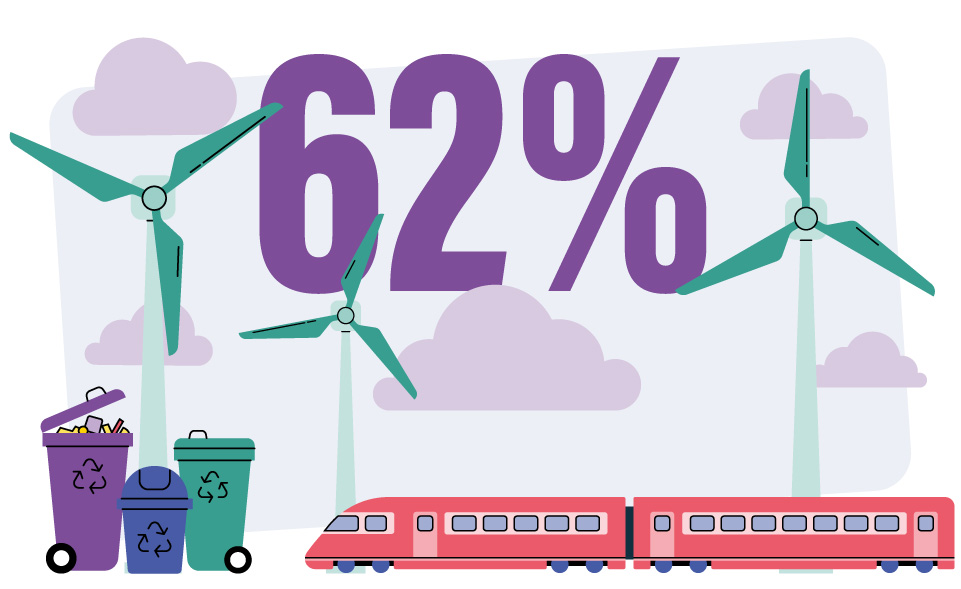
62% of the emission reductions needed to meet net zero targets depend on behaviour change — not technology. That's why understanding what actually drives behaviour is the starting point for everything we do.
Water companies, energy providers, local authorities and waste organisations are under unprecedented pressure — from regulators, from net zero targets, and from communities expecting more. Telling people to use less, recycle more, or adopt new technology rarely works. Understanding why they don't — and designing for how they actually behave — does.
We help you deliver measurable outcomes

The truth
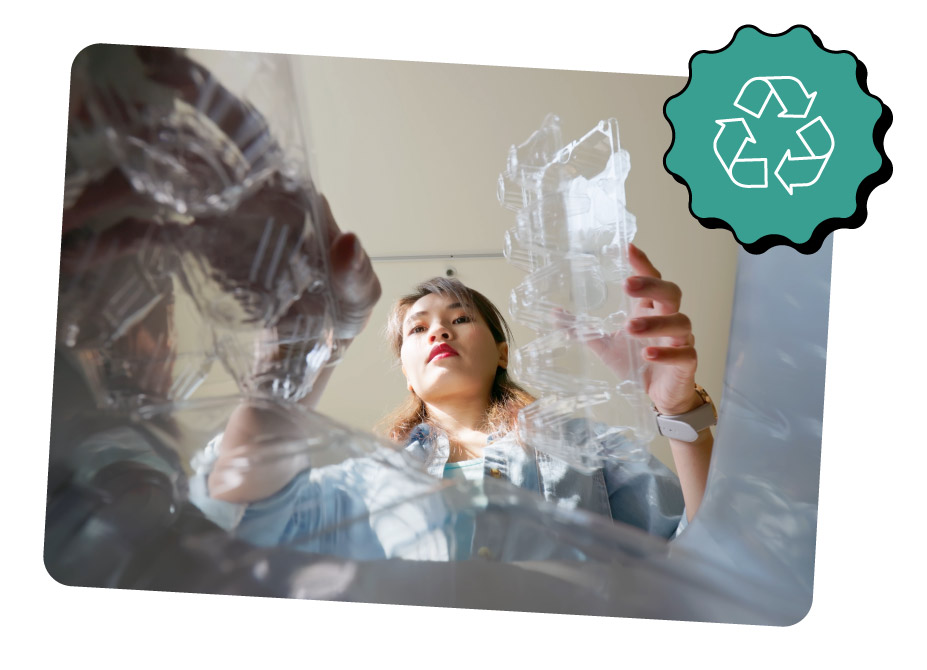
Contamination rates stay high because systems are confusing, inconsistent, and easy to get wrong — not because people don’t care. We diagnose the real barriers and design interventions that shift behaviour at source.

Increasing uptake
You can subsidise heat pumps, promote them, and still see low uptake — because the real barriers are trust, perceived hassle, and social proof. We address the psychology, not just the message.
Information alone will not work.
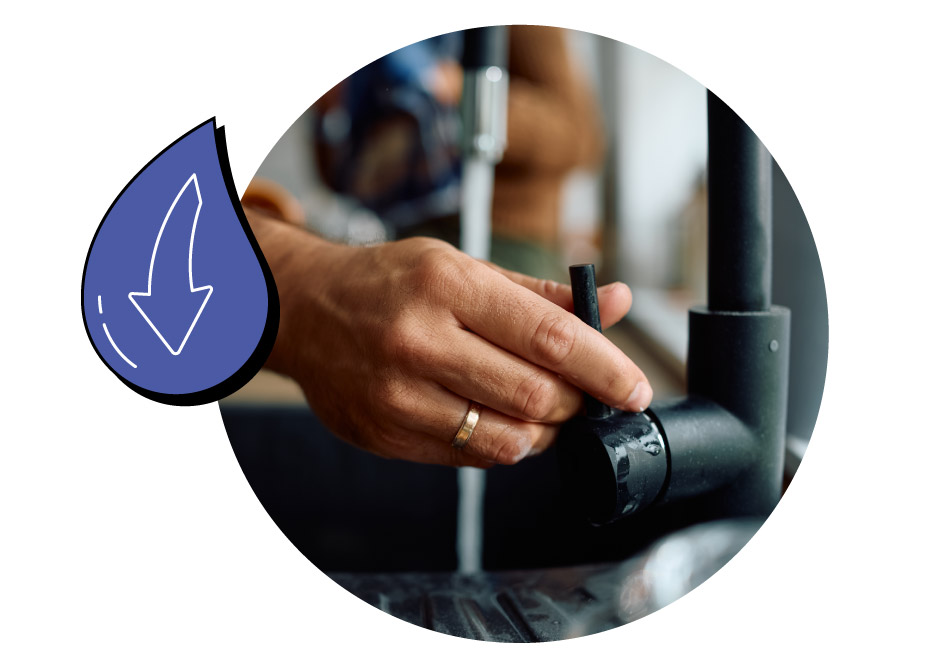
Per capita consumption targets require more than tariff changes and awareness campaigns. Behavioural interventions — defaults, social norms, implementation intentions — move the dial in ways information alone cannot.
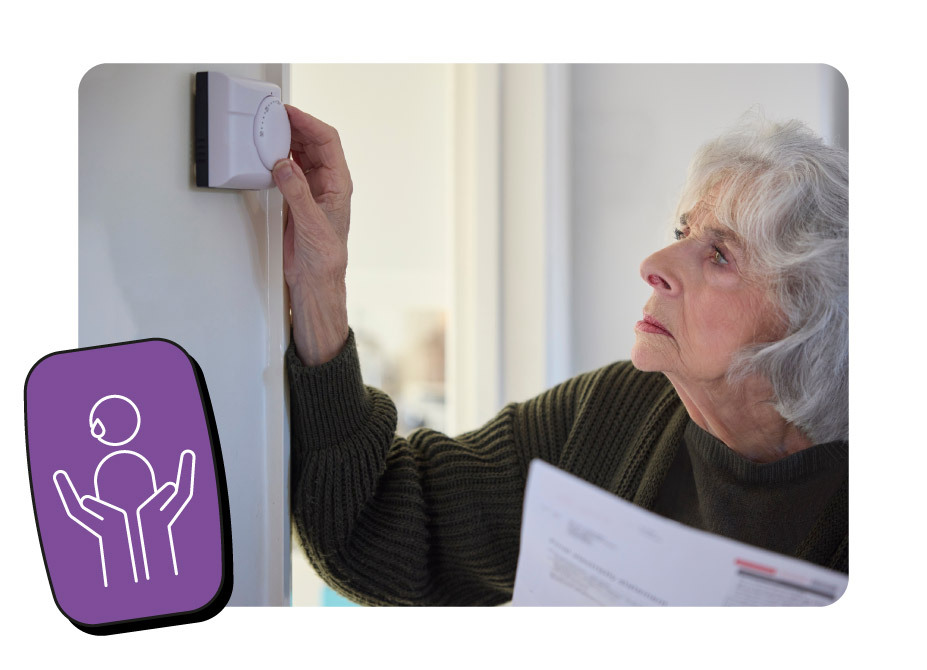
Supporting vulnerable customers
Customers who need priority support are often the hardest to identify and the hardest to reach. We design engagement programmes that reach them through trusted community networks — not just standard communications channels.
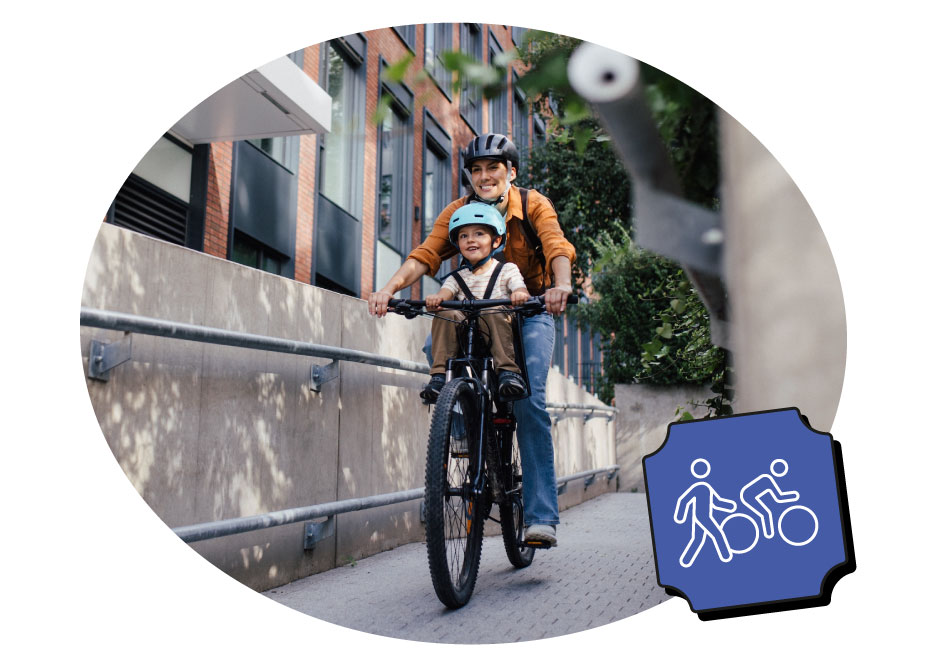
More active travel
LAQM obligations and net zero transport targets require genuine shifts in how communities move. That means understanding what makes sustainable choices feel possible — not just desirable — for different populations.

Better air quality
From reducing car use and idling, to shifting away from high-emission home heating or burning waste, the challenge isn’t awareness. People already know air pollution is harmful. The challenge is making cleaner behaviours easier, more normal, and more immediate.
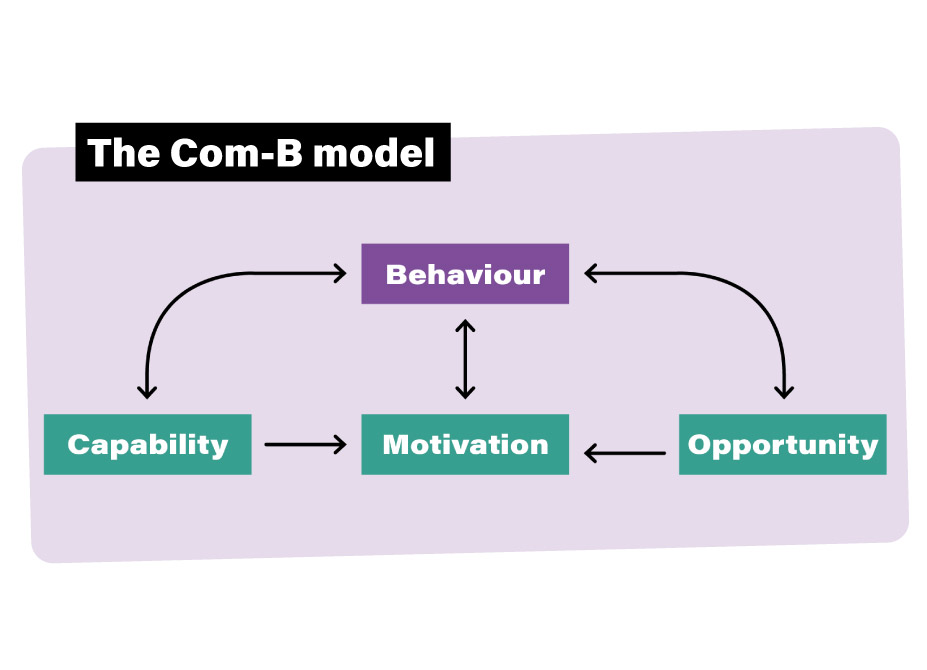
How we use behavioural science
Most environmental campaigns fail because they treat behaviour change as a communications problem. They provide information, raise awareness, and hope people act. But behaviour doesn't work that way.
We use the COM-B model — a rigorous behavioural framework developed at University College London — to diagnose what's really stopping behaviour change in your population. Is it that people lack the knowledge or skills (Capability)? Do they lack the motivation or see no personal reason to change (Motivation)? Or are there structural barriers — access, time, social norms, environment — getting in the way (Opportunity)?
Work with us and we will carry out a full COM-B audit to help you prioritise actions to move people towards the behaviour change you are seeking.
download our whitepaper on the behavioural science behind tackling waste problems
1. Diagnose behaviour (what’s really driving decisions)
2. Identify barriers and biases
3. Design interventions (not just campaigns)
4. Test, iterate and scale

Extensive experience understanding human behaviour.
Whether you're tackling recycling contamination, shifting residents toward active travel, or addressing air quality behaviour — we start by understanding what's actually stopping people from changing. Our work goes beyond awareness campaigns to address the real barriers: motivation, capability, and opportunity. The result is behaviour change you can take to a board meeting or cabinet scrutiny with confidence.
We've worked with councils across England, Scotland and Wales on waste reduction, energy behaviour, and community engagement — and we understand local authority procurement, political cycles, and the pressure to show measurable progress.
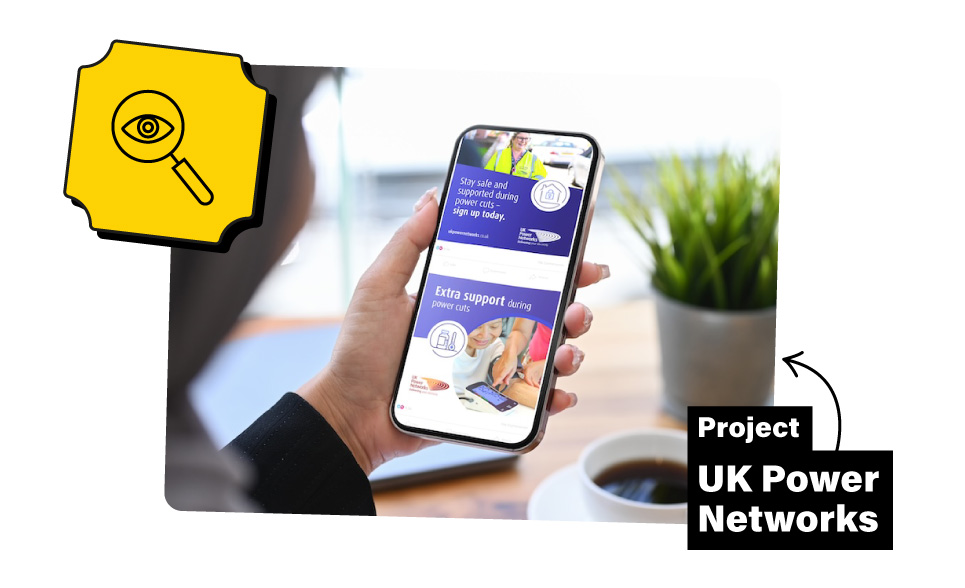
Proven results in the utilities and energy sector.
We understand that regulated utilities face a specific challenge: you're required to demonstrate engagement with customers, particularly vulnerable ones, at the same time as driving meaningful behaviour change — whether that's water conservation, smart meter adoption, or heat pump uptake. These aren't communication problems. They're behaviour change problems.
We have worked with major utilities organisations including UK Power Networks — where our Priority Services Register campaign significantly increased registrations among hard-to-reach customer groups.
Work with us and you will be working with an organisation that understands the regulatory context your work sits within — whether that's Ofwat's customer vulnerability framework, Ofgem's social obligations, local authority LAQM requirements, or Extended Producer Responsibility targets. Behaviour change isn't separate from compliance. Done well, it's how compliance gets delivered.
Ready to challenge us and find out how behaviour change can help put your plans for behaviour change into action? Book a meeting below. Alternatively, if you're a little sceptical, our latest download — Do you want to know the top 10 human behaviours that MUST change to bring emissions down? — may help you understand the crucial role behaviour change plays in implementing lasting positive change. You can also download this below.
A behaviour change campaign helping residents reuse more by combining high-impact awareness with simple, actionable digital prompts.
More +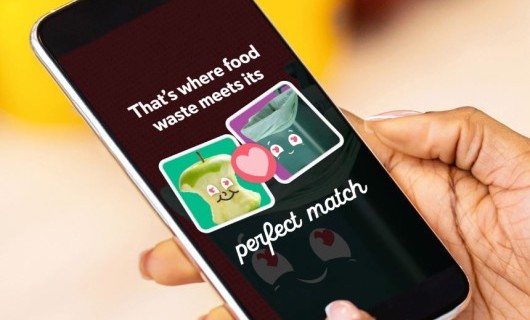
A hyper-local campaign using behavioural insight to prepare residents for food waste recycling and make new habits feel simple.
More +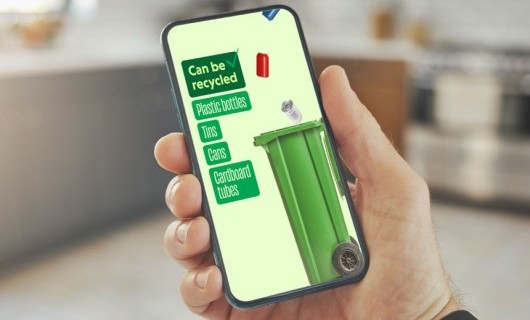
A behaviour-led campaign helping residents recycle with confidence by reducing confusion and making recycling simple, visible and everyday.
More +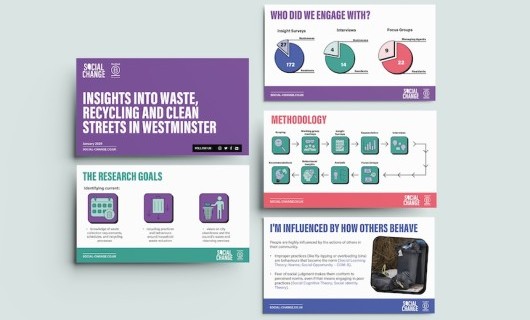
A behaviour change project that uncovered the barriers and motivations behind waste, recycling and street cleanliness behaviours, helping Westminster create cleaner, more sustainable neighbourhoods.
More +
A behaviour change insight project that explored waste and recycling behaviours across West London, helping shape more effective strategies to reduce waste and increase participation in recycling.
More +By entering your email address, you agree to be added to our mailing list.
We respect your privacy.
We never sell data.
Unsubscribe anytime.