
Are We Still Rubbish at Recycling?
Recycling has now evolved from a chore to a crucial behaviour. Despite our recent efforts, media coverage suggests we're still falling short...
More +

Simpler Recycling has the potential to transform how England recycles—but its success won’t be decided by policy alone. While clearer, more consistent rules remove confusion, the real challenge lies in changing everyday habits at the bin. Bridging the gap between intention and action requires more than awareness; it demands a behavioural approach that makes recycling feel simple, normal, and effortless.
England’s household recycling rate has stalled at around 44% for years, despite most people saying they want to recycle properly. The issue isn’t awareness or good intentions, it’s behaviour.
That gap between what people intend to do and what actually happens at the bin is exactly where Simpler Recycling will succeed or fail.
Simpler Recycling is the government’s new standardised recycling framework for England, designed to end the confusion of what can and can’t be recycled. For the first time:
In theory, this should reduce confusion – one of the biggest barriers to recycling. But clearer policy updates alone don’t change habits.
At the point of disposal, recycling decisions are made quickly and automatically. When the rules change, those habits don’t instantly update. People hesitate:
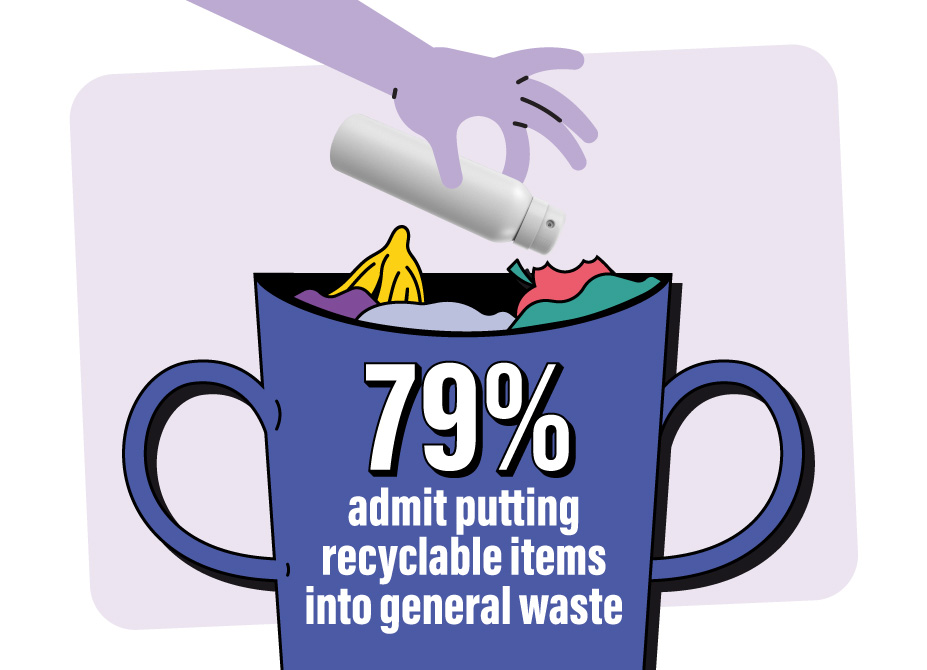
Less than 1 in 10 people feel very confident about what can recycle, and 79% admit putting recyclable items into general waste at least some of the time.
This isn’t laziness, it’s
cognitive overload.
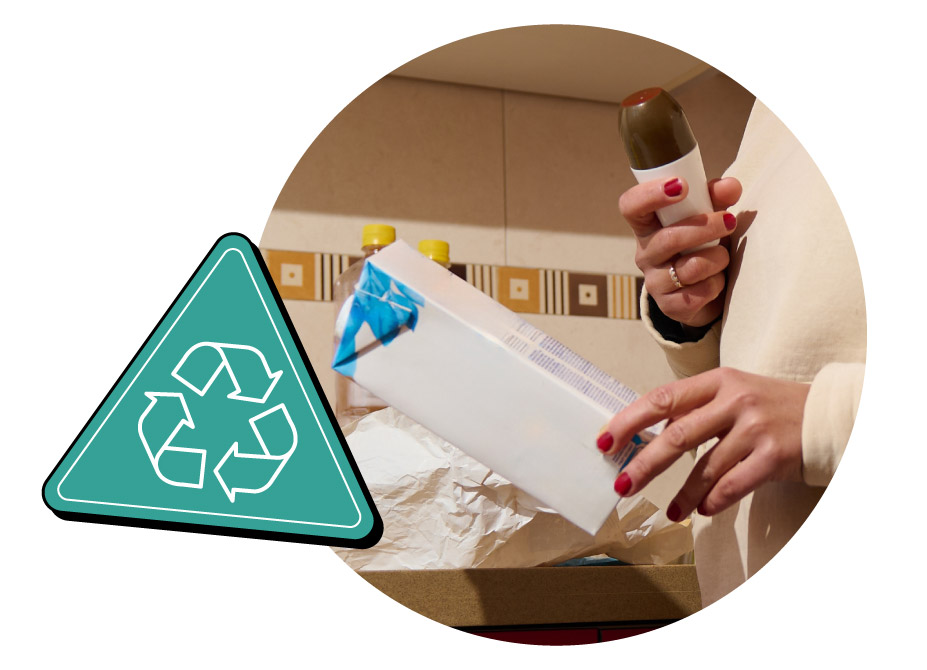
Behavioural science helps explain what’s really going on at the point of disposal:
Evidence shows that recycling only improves when capability, opportunity and motivation align (COM-B), not when people are simply told what to do.
Years of inconsistent guidance across councils has left many people genuinely unsure what to believe. Rebuilding that confidence requires more than a leaflet, it requires messaging that feels honest, local, and human.
Simpler Recycling gives us something we’ve never had before: a consistent system at a national scale.
That consistency creates the conditions for real behaviour change, but only if it’s delivered in a way that reflects how people actually think and make decisions.
When people stand in front of a bin, they’re not carefully analysing guidance. They’re relying on habits, memory, and instinct. Many of those instincts are shaped by years of inconsistent rules. Simpler Recycling’s success depends on helping people unlearn old rules, build new habits and feel confident recycling. This means moving beyond awareness campaigns, guilt, or expecting people to try harder. Instead, it must reduce friction, make the desired action feel normal, and ensure the right choice is clear in the moment.
Successful behaviour change makes the new behaviour feel simple (low effort), normal (socially expected), and worth doing (clearly impactful). By doing this, Simpler Recycling helps people build new habits and feel confident that they’re recycling correctly.
Wales offers a powerful example. Through sustained, behaviour‑led interventions, household recycling rates have risen to over 65%, far exceeding England’s performance.
A key factor was redesigning household waste systems so that recycling became the default option. Households were provided with multiple, clearly labelled containers for different waste streams (paper, plastic/metal, food waste and glass), removing confusion and making it easier to recycle correctly. Alongside this, Wales invested in clear, consistent national messaging over many years. Campaigns such as Wales Recycles and Be Mighty. Recycle. used the same branding and language across councils and channels, reinforcing the idea that recycling is normal and expected. Messaging focused on simple actions, social norms and national pride, rather than guilt, helping recycling feel routine.
That’s where Social Change comes in!
We use behaviour‑centred design to help turn policy into action, from clearer messaging and better bin prompts to subtle nudges that make the right choice the easy choice. We design interventions that reduce friction, build confidence and help new habits form.
Because improving recycling rates isn’t about perfection. It’s about making the right behaviour feel simple, normal and doable - every time someone stands in front of a bin.
Get in touch if you’re working on recycling behaviour change and want to make the new rules stick.
Recycling has now evolved from a chore to a crucial behaviour. Despite our recent efforts, media coverage suggests we're still falling short...
More +
Waste has become a hot topic in recent years. Now more than ever before people are aware of how much they waste.
More +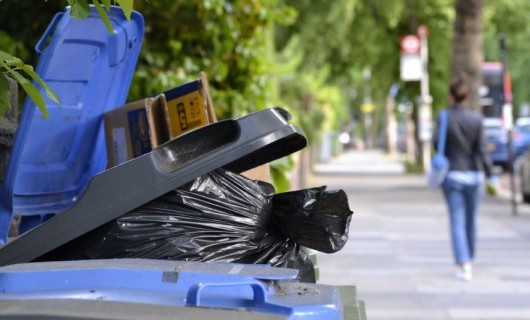
A behaviour change insight project that explored waste and recycling behaviours across West London, helping shape more effective strategies to reduce waste and increase participation in recycling.
More +
Food waste has emerged as a major issue in our work on consumption, recycling, and waste management. To better understand it, we explored the topic further - read this whitepaper to learn the behavioural science behind food waste and how you can help tackle it.
More +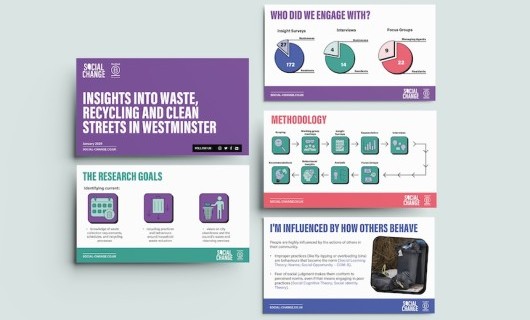
A behaviour change project that uncovered the barriers and motivations behind waste, recycling and street cleanliness behaviours, helping Westminster create cleaner, more sustainable neighbourhoods.
More +By entering your email address, you agree to be added to our mailing list.
We respect your privacy.
We never sell data.
Unsubscribe anytime.