Making Simpler Recycling Stick
Simpler Recycling gives us something we’ve never had before: a consistent system at a national scale.
That consistency creates the conditions for real behaviour change, but only if it’s delivered in a way that reflects how people actually think and make decisions.
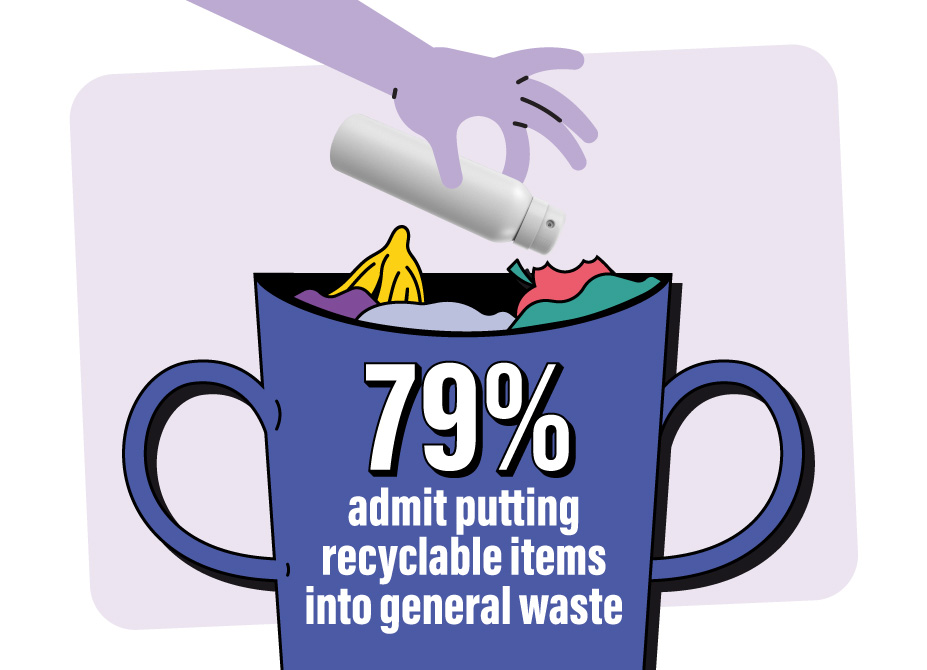
When people stand in front of a bin, they’re not carefully analysing guidance. They’re relying on habits, memory, and instinct. Many of those instincts are shaped by years of inconsistent rules. Simpler Recycling’s success depends on helping people unlearn old rules, build new habits and feel confident recycling. This means moving beyond awareness campaigns, guilt, or expecting people to try harder. Instead, it must reduce friction, make the desired action feel normal, and ensure the right choice is clear in the moment.
Successful behaviour change makes the new behaviour feel simple (low effort), normal (socially expected), and worth doing (clearly impactful). By doing this, Simpler Recycling helps people build new habits and feel confident that they’re recycling correctly.
Wales offers a powerful example. Through sustained, behaviour‑led interventions, household recycling rates have risen to over 65%, far exceeding England’s performance.
A key factor was redesigning household waste systems so that recycling became the default option. Households were provided with multiple, clearly labelled containers for different waste streams (paper, plastic/metal, food waste and glass), removing confusion and making it easier to recycle correctly. Alongside this, Wales invested in clear, consistent national messaging over many years. Campaigns such as Wales Recycles and Be Mighty. Recycle. used the same branding and language across councils and channels, reinforcing the idea that recycling is normal and expected. Messaging focused on simple actions, social norms and national pride, rather than guilt, helping recycling feel routine.