
As behavioural scientists, we're interested in what shapes people's decisions and actions. Career choices are no different. The careers young people consider are influenced by what they see around them, the people they meet and the opportunities they believe are available to them. 

If you've never met a behavioural scientist, researcher, strategist or campaign designer, it's difficult to imagine yourself becoming one. 

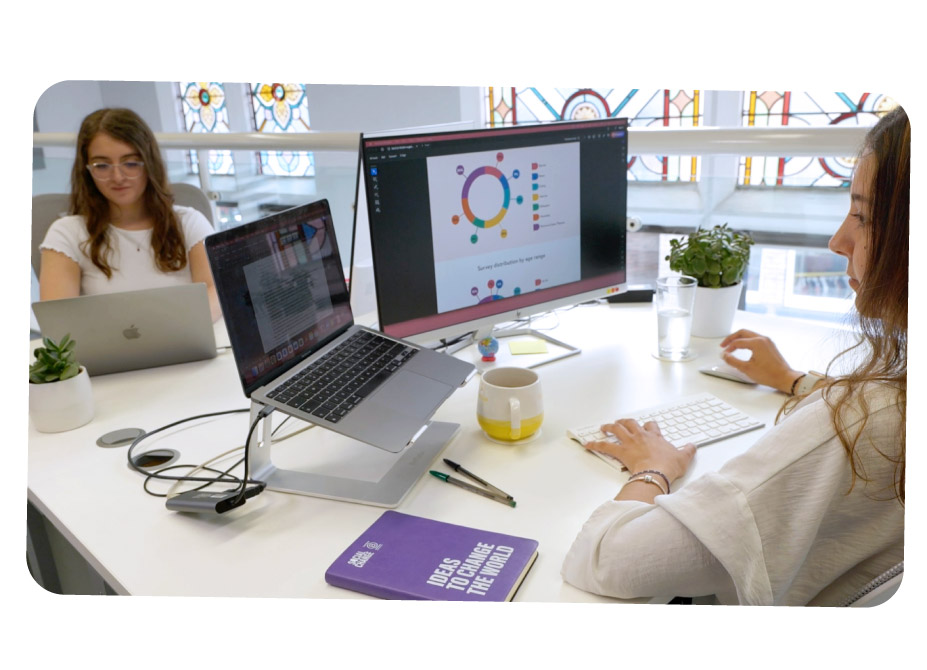
Daisy and Ana from the Behavioural Insights team working at their desks.

Opening doors to careers they may never have considered 

Many of the students joining us had heard of careers such as teaching, medicine or engineering. Very few had come across behavioural science before, despite its role in tackling some of society's biggest challenges. 

Whether it's helping people stop smoking, encouraging more sustainable behaviours, improving financial wellbeing or supporting better health outcomes, behavioural science is increasingly being used to solve complex problems. Yet for many young people, it remains an invisible profession. We wanted to change that. 

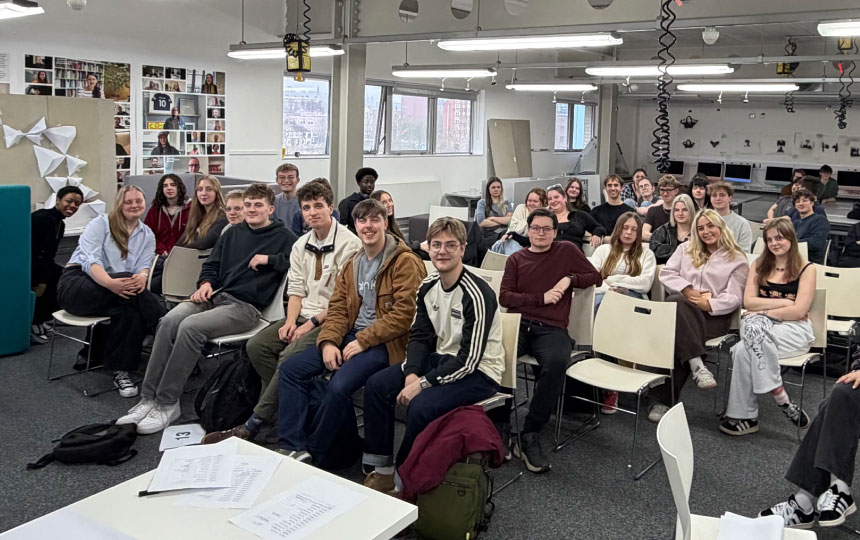
Rather than observing from the sidelines, students were invited to experience how our team works in practice. Over three days, they explored research, behavioural science, campaign planning and creative development, working together to understand challenges, generate ideas and present recommendations back to the Social Change team. 

What was particularly rewarding was seeing students engage with different parts of the process. Some were fascinated by understanding why people behave the way they do. Others enjoyed developing creative ideas or thinking strategically about how to influence positive change. 

That diversity of interests was exactly what we hoped to see.  

For some students, that meant discovering the variety of career paths available within a business like Social Change. One participant reflected on the opportunity to meet people with similar interests while learning about the different roles and pathways available depending on individual skills and strengths. Another spoke positively about working as part of a team, solving a shared challenge and receiving feedback on their ideas and presentation. 

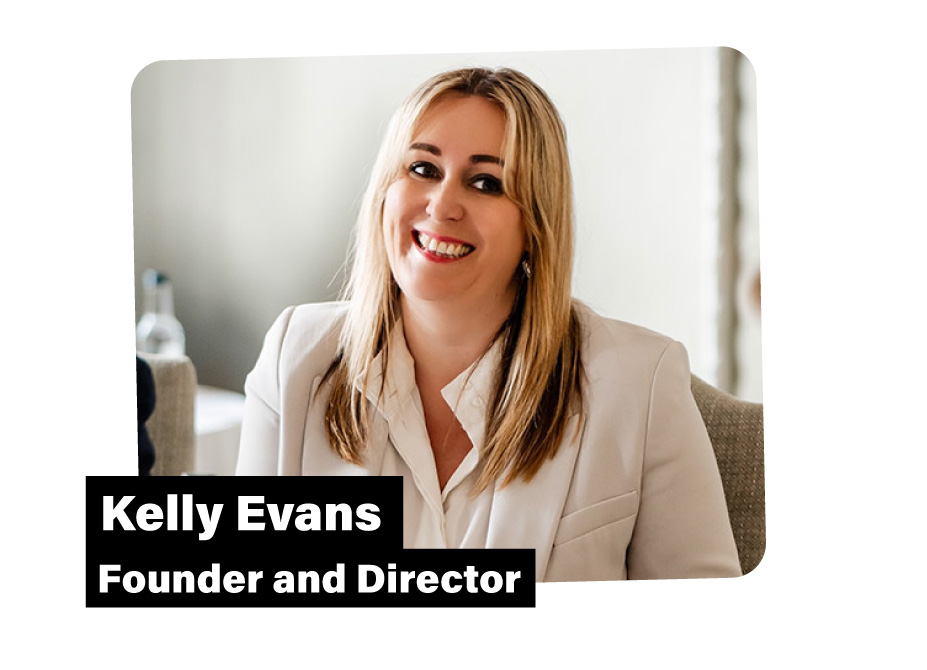
Kelly Evans, Founder and Director at Social Change

Confidence matters 

The programme achieved an average satisfaction score of 4.6 out of 5, with 94% of participants saying it met their expectations. What stood out even more was that 94% left feeling confident they could achieve their future career ambitions. For us, that's one of the most important outcomes. 

As Kelly Evans, Founder and Director of Social Change, explains, "We often talk about behaviour being shaped by the environment around us. Career aspirations are no different. If young people don't see certain careers, meet people doing them or understand the routes into them, those opportunities can feel like they're for somebody else. Programmes like this help make those careers visible and, importantly, achievable." 

Young people today are navigating an increasingly complex world of work. New industries are emerging, traditional career paths are changing and the range of choices available can feel overwhelming. They don't need every answer at 14, 16 or even 18 years old. What they need is the confidence to explore possibilities, ask questions and believe that opportunities are open to them. The feedback reflected that sense of discovery. 

Students spoke positively about meeting professionals, learning about different career pathways and working collaboratively to solve problems. One participant highlighted the value of connecting with people who shared similar interests while gaining insight into the variety of roles available within the business. Another reflected on how much they enjoyed working as part of a team and receiving feedback on their ideas and presentation. 

The feedback reflected that sense of discovery. Students spoke positively about meeting professionals, learning about different career pathways and working collaboratively to solve problems. 

A teenage boy holding a pen whilst working with other young people on a group call

As one participant explained, Getting to interact with people who have the same interests and goals as you, but also meeting a wide range of people and learning about the different pathways that working at Social Change provides depending on your skill set." 

Another highlighted the value of learning about the different aspects of the team's work, adding, "I also enjoyed working as a team to achieve a common goal and receiving positive feedback on our presentation." 

 These experiences may seem small, but behavioural science tells us that confidence is often built through moments like these. Sometimes it only takes a single experience, conversation or role model to help someone see a future they hadn't previously imagined for themselves. 

Why this still matters 

The work experience programme took place last year, but the challenge it sought to address remains. Too many young people are making important decisions about their future without access to professional networks, meaningful work experience or insight into the breadth of careers available to them. Talent is everywhere, but opportunity is not always distributed equally. 

That's one of the reasons organisations such as Futures For All play such an important role in improving social mobility, helping young people access opportunities that might otherwise feel out of reach. At Social Change, we're proud to have contributed to that mission. 

Whether through work experience, careers talks, school engagement or sharing our experiences of working in behavioural science, we will continue looking for ways to support young people as they explore their futures. 

Because sometimes the biggest barrier isn't a lack of talent, ambition or potential. It's simply not knowing that a particular door exists in the first place.