
What is Decision Fatigue?
Too many choices? Discover how decision fatigue is holding you back in our July newsletter!
More +

Your regular dose of BS (Behavioural Science) from the Changemakers at Social Change.
Ever notice how people are more motivated when they feel in control of a decision?
That’s Autonomy Bias. We have a deep-seated need to make our own decisions. Feeling power and choice over our future gives certainty, motivation, and reduces stress. Autonomy isn’t just nice-to-have, it’s critical for behaviour change, whether with consumers, employees, or clients.
*Behavioural Science
Choice drives commitment. We follow through on plans we feel we chose ourselves.
Control boosts satisfaction. Even small decisions make people feel more positive about outcomes.
Confidence grows. Perceived control reduces stress and encourages action.
Change sticks. Behaviours rooted in personal choice are far more likely to last.
Autonomy works best when people feel heard, informed, and supported. Ask first, advise impartially, and reinforce commitment through clear next steps and follow-up.
If you’d like help applying this in practice, we’d love to work with you!
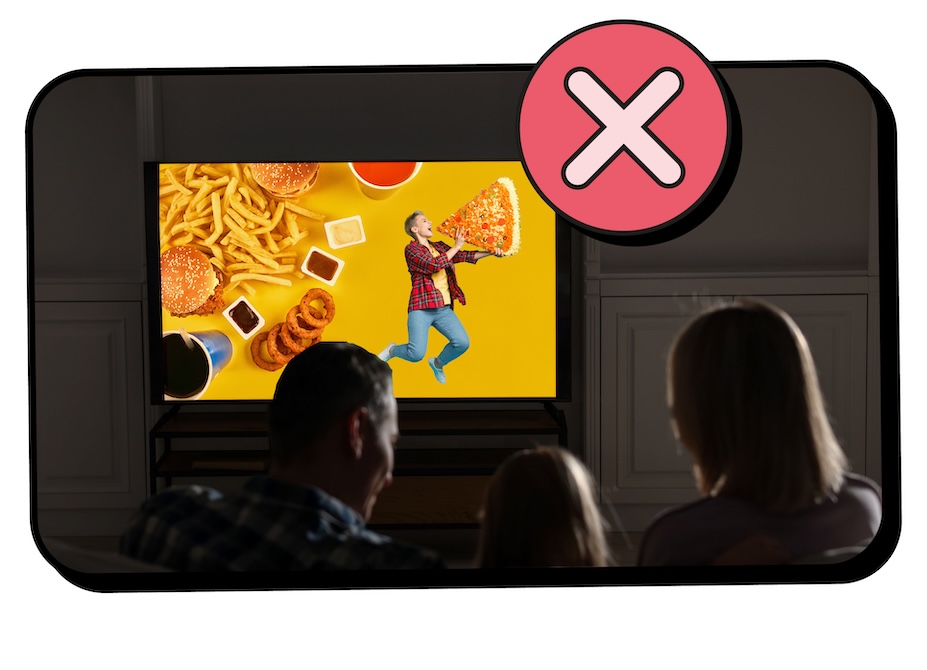
The UK government has recently introduced new restrictions on junk food advertising, banning ads for foods high in fat, salt and sugar from TV before 9pm and from online platforms altogether, as part of efforts to tackle rising childhood obesity.
The new policy reflects strong behavioural science evidence that advertising doesn’t just inform, it shapes norms and influences automatic behaviour. Repeated exposure to junk food marketing makes unhealthy eating feel normal and desirable, triggering cravings and impulsive choices without conscious thought.
From an EAST perspective, these ads make unhealthy options easy and attractive, while MINDSPACE highlights the role of social norms, salience and affect in driving consumption. By removing these cues from everyday media, the policy aims to change the default environment, reducing impulsive choices and helping healthier behaviours become the norm - a classic example of effective choice architecture!
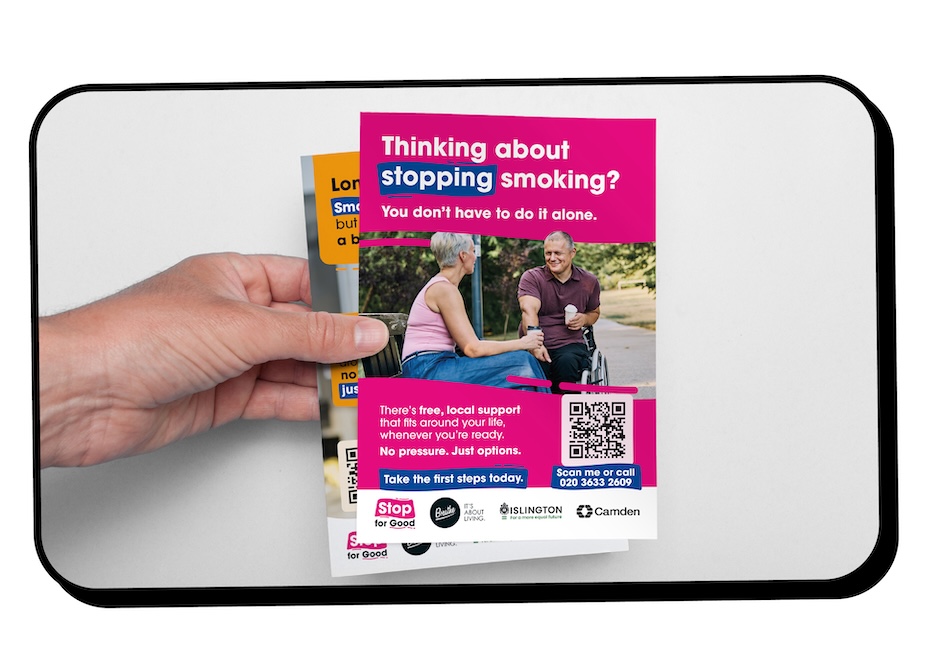
Reaching “priority audiences” isn’t a targeting problem, it’s an insight problem.
In our latest smoking cessation project, we partnered with communities often spoken about but rarely heard from. By putting lived experience at the centre, we uncovered insights standard research misses and turned them into campaigns that truly resonate and drive behaviour change.
This is the difference between campaigns that inform and campaigns that change behaviour.
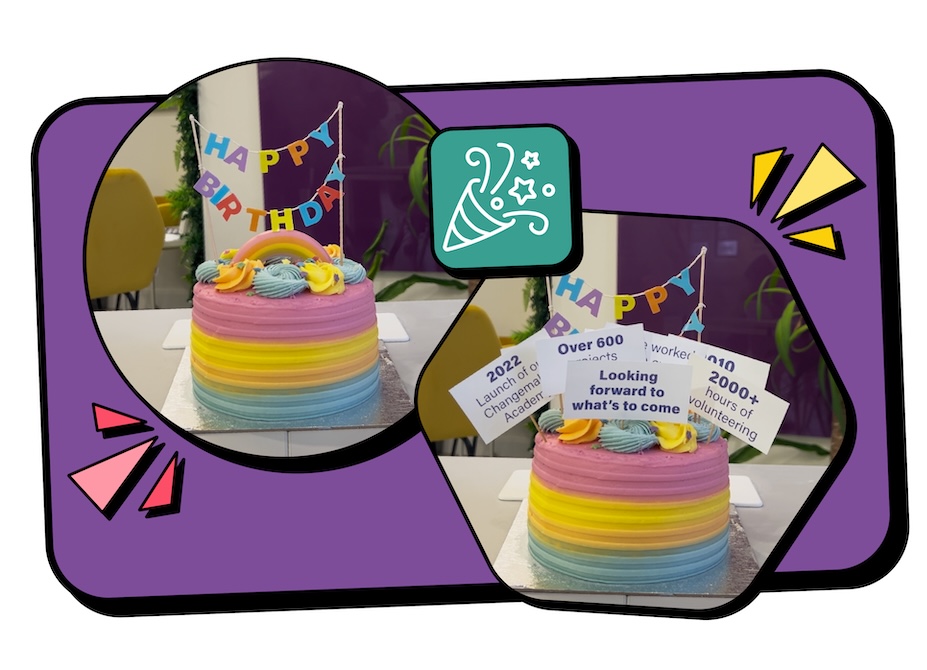
This year, Social Change turns 16 and it’s a moment worth celebrating!
Over the past 16 years, we’ve turned ideas into action through meaningful work, strong partnerships, and a shared commitment to making a difference. What began as a simple idea has grown into impactful projects and collaborations we’re incredibly proud of.
This milestone is also a chance to reflect and say thank you. To our clients, partners, and team: your trust, insight, and support have shaped our journey and made what we do possible.
As we look ahead, we’re excited to keep delivering, innovating, and driving positive change together in the years to come.
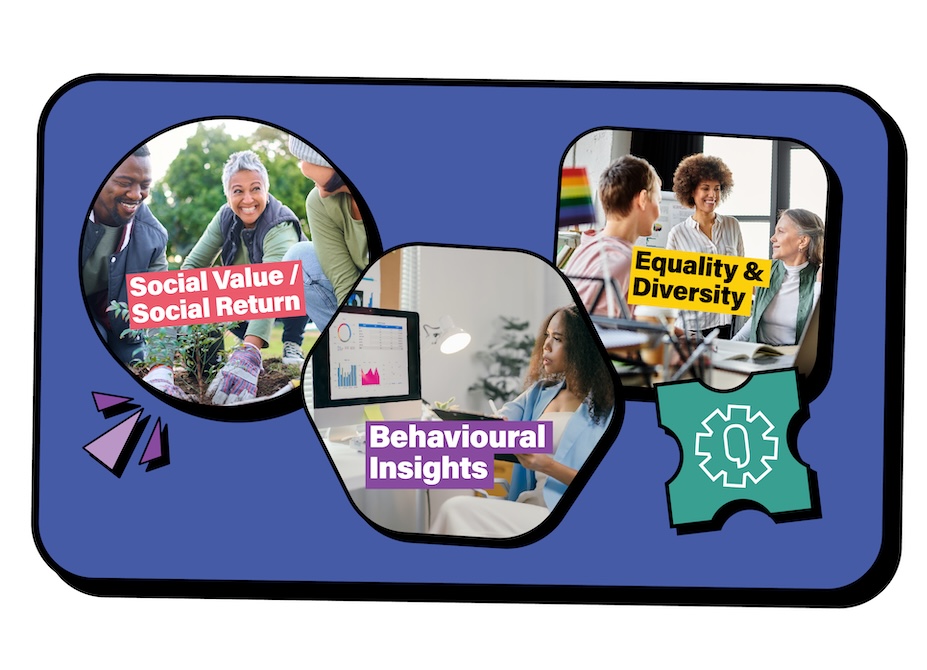
The new year is the perfect moment to invest in your skills and inspire change - both in yourself and in others.
We’ve designed a range of online and workplace programmes in behaviour change marketing and behavioural science that combine the latest thinking with real-world examples of people making a difference through their work.
Whether you’re new to the field or refreshing your skills, we can create a tailored course for you and your team. With our ‘after course care’ service, learning doesn’t stop when the course ends, you continue to grow long after your training.
Create your bespoke course and make 2026 the year you turn insight into impact.
Too many choices? Discover how decision fatigue is holding you back in our July newsletter!
More +
October is a perfect reset. Discover how the Fresh Start Theory can turn intentions into lasting change in our latest newsletter.
More +
The science behind why you love a good story... Learn how Storyteller Bias makes personal anecdotes, case studies, and testimonials more memorable than raw data.
More +Enter your email address below to access the Academy and our Webinars