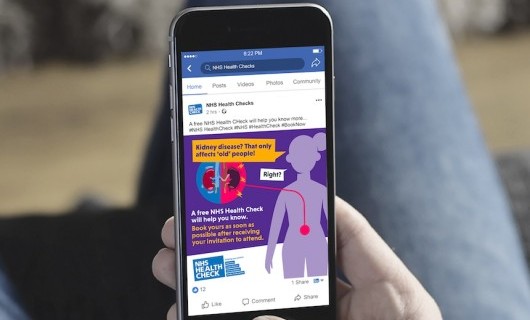
Promoting health Checks to the over 40’s in East Sussex
East Sussex County Council commissioned Social Change to design and develop high-quality media assets for future NHS Health Checks and Cardiovascular Disease (CVD) prevention campaigns.
More +

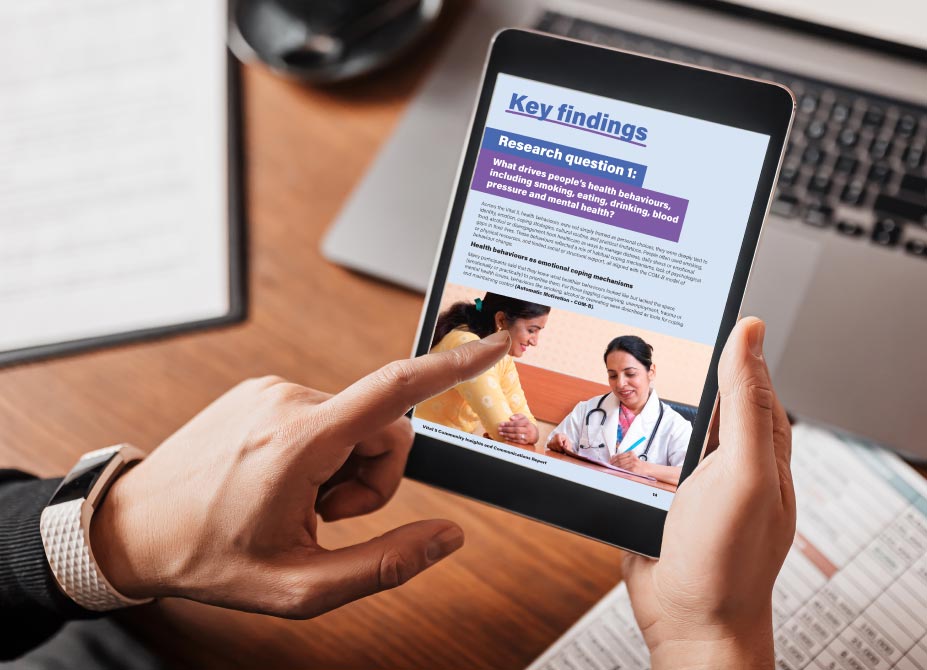
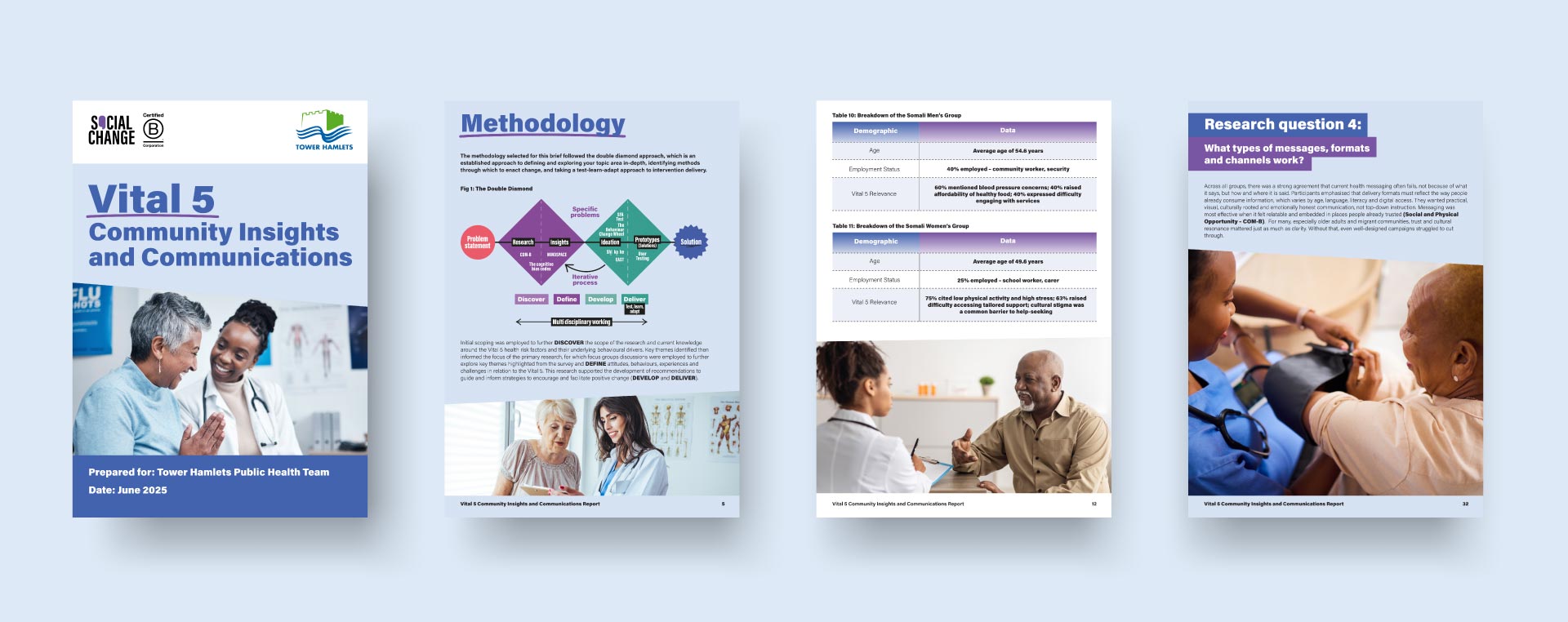
We partnered with Tower Hamlets Public Health to uncover the lived realities behind health behaviours across five key risk areas. Through deep community engagement, we identified how communications and services can better reflect, support and empower diverse local communities.
Shaping Health Messages that Resonate
Tower Hamlets faces some of the UK’s most entrenched health inequalities. This project set out to explore the day-to-day realities behind smoking, weight management, high blood pressure, mental health challenges, and alcohol use, known locally as the “Vital 5.” Working with a broad mix of Tower Hamlets residents, including Somali and Bangladeshi communities, further insights from VCS groups working with older LGBTQ+ individuals, carers, and those facing housing insecurity, we explored what’s holding people back, what motivates change, and how to design public health messaging that feels like it was made for them: grounded in real lives, not just good intentions.
Community-Led Insight, Powered by Behavioural Science
Using a behavioural science approach, we combined secondary research with nine focus groups and expert interviews across Tower Hamlets. We spoke to 55 residents and 3 VCS professionals to understand not just what people do, but why. COM-B, MINDSPACE and EAST frameworks helped us dig into emotional drivers, household dynamics, structural barriers and cultural context, from paan use and food habits, to mental health stigma and GP mistrust. The result: a nuanced, human-centred picture of what helps people change, and what gets in the way.
Stress, Stigma, and the Struggle to be Heard
Behaviours like smoking, drinking or overeating weren’t “bad choices,” they were coping strategies. Residents were navigating stress, grief, financial pressure and invisible barriers. Many said services didn’t reflect their lives, with advice that felt generic or judgmental. We identified four core behavioural insights, including: “I know it’s bad, but it helps me cope” and “People like me don’t do that.” What made the difference? Trust. Familiar spaces. Realistic messaging. And the feeling that someone finally understood what they were going through.
From Insights to Action: Designing for Real Lives
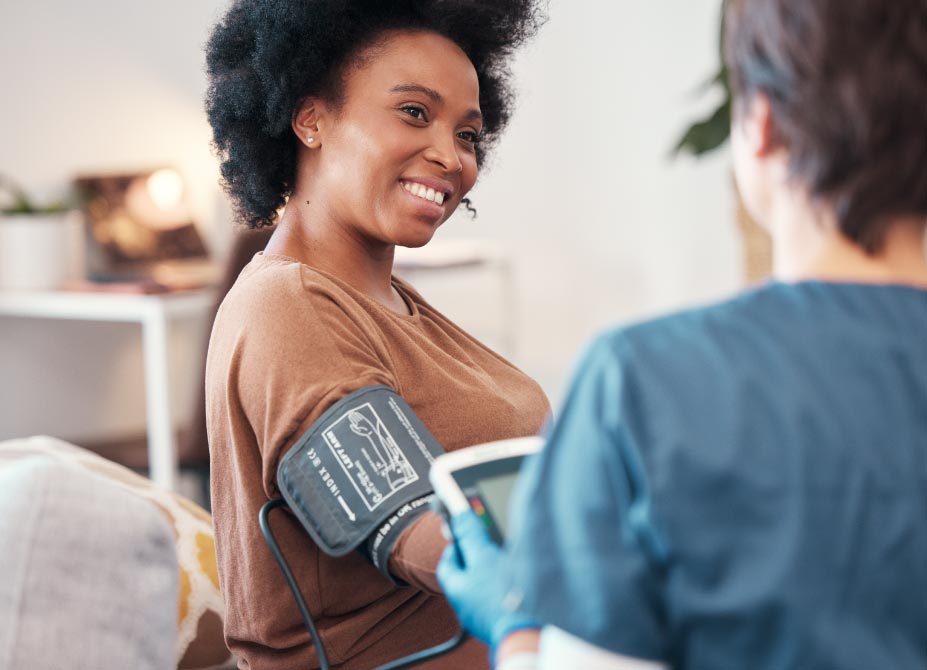
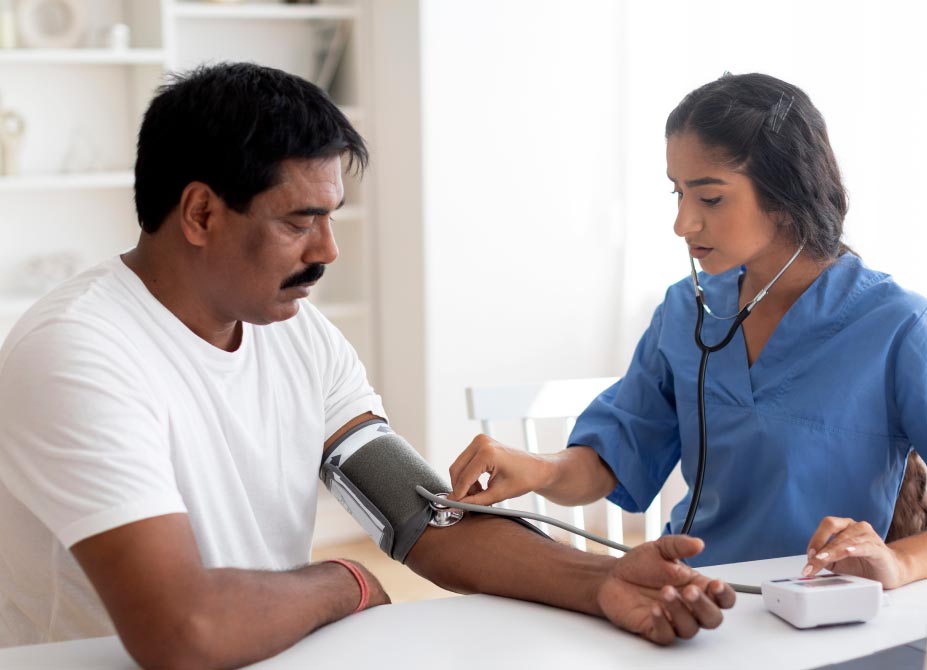
We turned insight into practical, community-informed recommendations, from peer-led videos and pop-up health hubs to translated materials, real-life imagery, and culturally relevant messaging. The work offers a clear roadmap for inclusive, non-judgemental health communications that feel familiar, accessible, and motivating, helping the council connect with underserved groups, reduce health inequalities, and support everyday behaviour change.
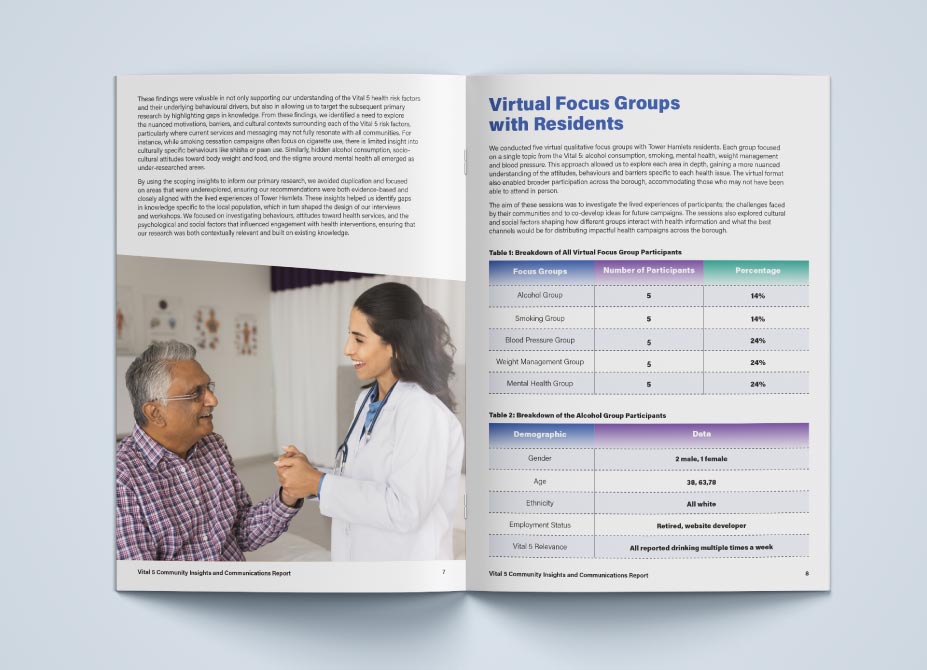
We ran translated, culturally attuned and gender-specific focus groups that created safe, comfortable spaces for seldom-heard residents. Sessions were supported with culturally familiar food and formats that built trust and encouraged open discussion.
Our online groups brought together diverse participants to explore sensitive health topics, including issues considered taboo in some cultures. Careful moderation enabled people to share experiences that are rarely voiced.
The communications plan was tailored to the cultural mix of Tower Hamlets, using language, channels and storytelling styles that felt relevant and respectful for communities who are often underrepresented.
East Sussex County Council commissioned Social Change to design and develop high-quality media assets for future NHS Health Checks and Cardiovascular Disease (CVD) prevention campaigns.
More +
We sought to better understand attitudes, beliefs and behaviours towards community integration and local leaders among the residents of Boston, Lincolnshire.
More +
Co-produced vaccine education, using behavioural insights to help Public Health Wales motivate and engage young people in vaccination programmes.
More +We worked in partnership with Design Council to research and explore the barriers to creating healthy places.
More +By entering your email address, you agree to be added to our mailing list.
We respect your privacy.
We never sell data.
Unsubscribe anytime.