
What impact have e-cigarettes had on smoking behaviour?
Are e-cigarettes helping people quit smoking or are people substituting one product for another?
More +

Stop smoking. Stop drinking. Stop gambling. Stop eating unhealthy foods.
Quitting is often positioned as the ideal outcome - and in many cases, it is. Stopping a harmful behaviour entirely can deliver the greatest health benefits and offers a clear, measurable goal.
But behaviour change is rarely that straightforward. People differ in their circumstances, motivations, and readiness to change. While some are prepared to stop immediately, others can feel overwhelmed by the idea of complete change.
This is where harm reduction becomes important. Rather than seeing this as a choice between two opposing approaches, it’s more useful to ask: What is most likely to help this person, at this point in their journey?
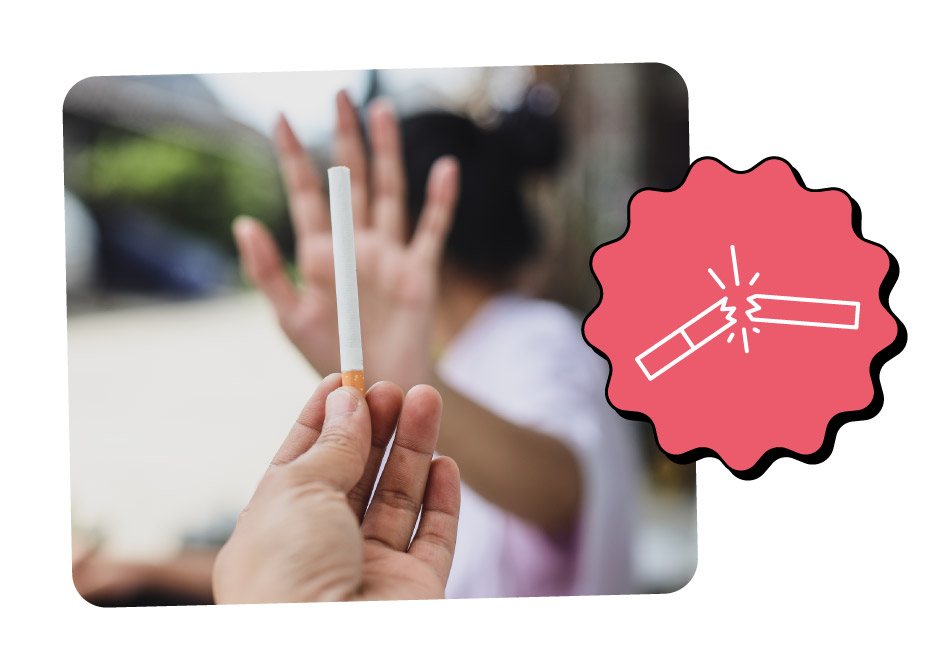
For some people, quitting is highly effective.
A clear break can strengthen commitment and support identity change - a key factor in sustaining behaviour change over time. People don’t just change what they do; they often change how they see themselves.
For example:
“I’m trying to quit smoking”
becomes
“I’m not a smoker anymore.”
Campaigns such as Stoptober and Dry January use this principle well, creating a clear moment to act, a sense of collective momentum, and a shift in identity.
For those who are ready, quitting can be a powerful and transformative step.
However, quitting is not always the most effective starting point.
Behaviour change is rarely linear. Motivation fluctuates, and progress is often gradual. Small changes - such as reducing cigarette intake, introducing alcohol-free days, or making dietary adjustments - can represent meaningful progress.
The challenge is that messages focused only on complete cessation can feel unrealistic for people who aren’t ready, leading to disengagement before change has even begun.
Many behaviours are also shaped by routine, stress, social environments, addiction, and wider life circumstances. When the gap between current behaviour and the ideal outcome feels too large, people are more likely to disengage than take action.
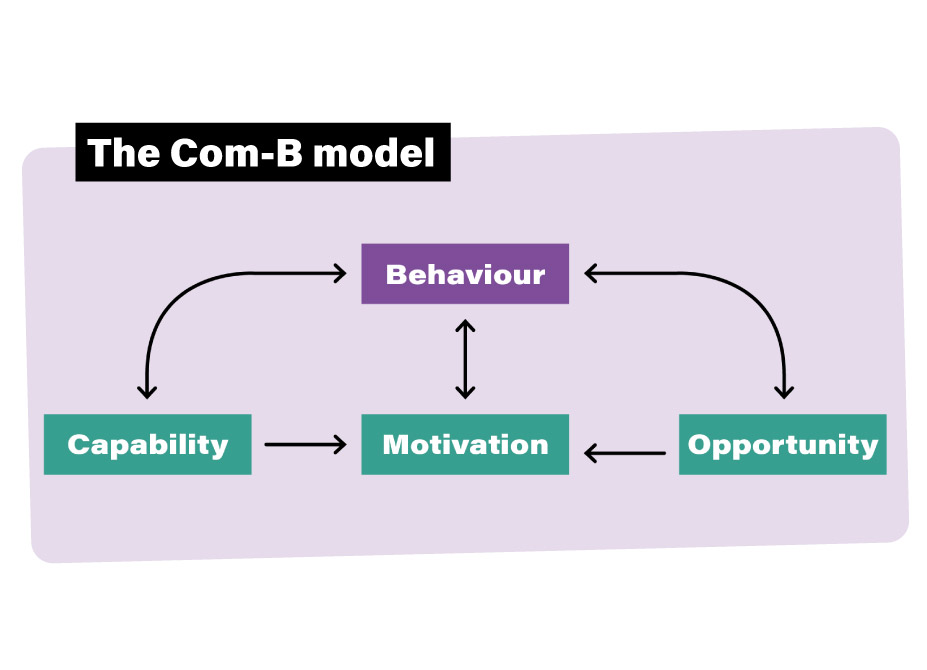
Behavioural science helps explain why. People need not just the motivation to change, but also the capability and opportunity to do it (the COM-B model). When any of these are missing, change becomes much harder.
Harm reduction helps bridge this gap by focusing on achievable, incremental steps.
At its core, it shifts the question from:
“Can you stop?” to “What’s the next achievable step?”
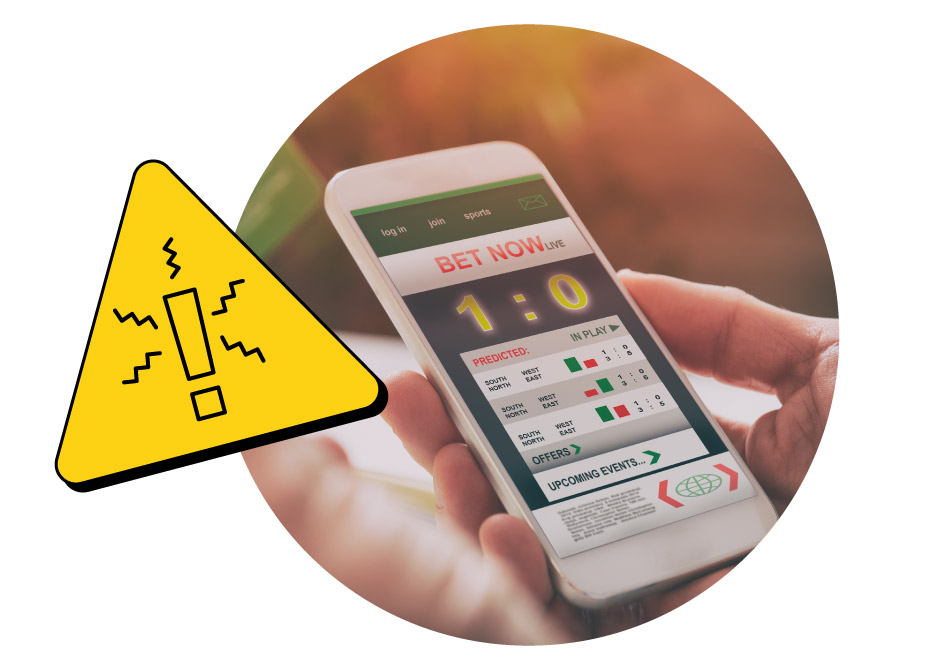
Harm reduction focuses on reducing negative consequences, even if the behaviour continues.
This might include:
Importantly, this is not about normalising harmful behaviour. It is about recognising complexity and supporting progress in a way that feels realistic and achievable.
Quitting and harm reduction are not competing strategies - they are different tools for different contexts.
The most effective approach depends on the audience, their readiness, and the barriers they face.
For those designing campaigns, services, or interventions, the goal is not to choose one approach over the other, but to understand when each is most appropriate - and to offer pathways that feel achievable.
Because behaviour change isn’t about a single solution. It’s about meeting people where they are and helping them take the next step.
Watch our webinar, Harm Reduction vs Quitting: What Works, What Doesn't, and Why, where we explore the behavioural science behind both approaches, examine real-world examples, and discuss the implications for future campaigns, interventions, and services.
Are e-cigarettes helping people quit smoking or are people substituting one product for another?
More +
The number of smoking mums has decreased. But only in some areas. There is still a huge north/south divide that needs to be addressed and the issue of incentivising mums to quit has hit the headlines again. We look briefly at the latest stats and give our view on the latest issues in smoking in pregnancy.
More +By entering your email address, you agree to be added to our mailing list.
We respect your privacy.
We never sell data.
Unsubscribe anytime.